Detect Lateral Movement: Log Signals, Blind Spots and Detection Logic
Most lateral movement hides in plain sight within legitimate administrative tools, making behavioral context more valuable than simple alert volume for security teams.


Most lateral movement hides in plain sight within legitimate administrative tools, making behavioral context more valuable than simple alert volume for security teams.

Most security metrics measure activity rather than risk, creating a false sense of control that distracts from actual vulnerabilities in your infrastructure.

Default Kubernetes clusters grant broad access to every service account, making Role-Based Access Control the only reliable method to limit damage from compromised workloads.

Container security fails when you trust the kernel; true protection requires verifying every layer from image build to runtime execution.

Browser hijackers often survive by installing browser extensions that regenerate settings even after you reset the browser configuration to its defaults.

The 3-2-1 rule prevents data loss by enforcing geographic and media diversity, but it fails completely if the verification step is skipped during the restoration process.

Compartmentalizing your infrastructure limits blast radius, ensuring a single compromised host cannot access sensitive data stores.

Most dictionary attacks leave no trace until the breach is complete, meaning silent authentication logs often reveal the attack long after the initial intrusion has occurred.

A bootkit infects the startup sequence, allowing it to hide from operating system security tools that run later in the process.

Blue teams do not stop attacks at the perimeter; they manage the inevitable breach by slowing down lateral movement and forcing attackers to reveal their presence.

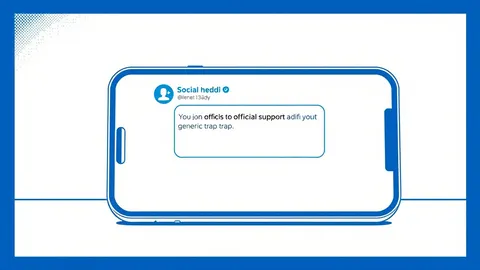
Attackers compromise legitimate customer support accounts to impersonate brands, bypassing email filters by operating within trusted social platforms rather than through unsolicited messages.

Reconnaissance often succeeds not through clever hacking tools, but by aggregating fragmented data that your own systems expose to the public internet.

Default Kubernetes clusters allow unrestricted lateral movement between pods, leaving your entire internal network exposed to compromise unless you explicitly define isolation rules.

Traditional signature scanning fails against fileless attacks, requiring behavioral analysis and kernel-level protections that most legacy solutions lack.

Paper records often bypass digital security controls, creating a blind spot that attackers exploit through social engineering and physical access.

Developers often miss XXE risks because they assume modern parsers are safe by default or that input validation alone stops entity expansion attacks.

Default cloud configurations often leave storage containers publicly accessible, allowing anyone on the internet to read or overwrite your data without authentication.

Identity theft rarely begins with a stolen password; it usually starts with fragmented data aggregation that bypasses traditional perimeter defenses entirely.

Attackers target security tools first, so tamper protection locks down your defenses before malware can uninstall them or stop logging activity.

Inline intrusion prevention alters traffic flow and introduces latency, while passive detection preserves performance at the cost of delayed response.

Proper breach notification requires forensic clarity and legal precision, tasks that often exceed the capacity of small technical teams without external support.

Automatic updates often miss critical security fixes because background processes lack the necessary permissions to modify core system files.

Cloud backup shifts recovery control from hardware capacity to API reliability, creating new failure modes that differ from traditional storage risks.

Traditional boundary defenses fail because cloud ransomware exploits identity permissions and automated replication rather than network gaps.