
Vulnerabilities
CVSS Scores: Why High Numbers Mislead Your Risk Assessment
CVSS scores measure exploitability mechanics, not business impact, meaning a critical score often signals low actual risk to your specific infrastructure.
CVSS scores measure exploitability mechanics, not business impact, meaning a critical score often signals low actual risk to your specific infrastructure.

Hardware keys resist remote theft by binding cryptographic proofs to physical presence, neutralizing credential stuffing and phishing attempts that bypass standard multi-factor authentication.

Poor log hygiene creates false confidence, allowing attackers to operate unseen while your alerting system generates noise that teams ignore.

Most XSS detections fail because teams monitor only HTTP request bodies, ignoring the silent execution paths hidden in browser-side rendering and third-party script loaders.

Hardware keys prevent credential theft by keeping cryptographic private keys physically isolated from the device network, neutralizing phishing and malware risks.

Small organizations face disproportionate risk from third-party connections because attackers bypass their defenses by targeting weaker suppliers.

Binding data to query structure prevents the database engine from misinterpreting input as executable commands, stopping injection at the protocol level.

Most insider data leaks are not malicious acts but structural failures in access control and monitoring that standard policies ignore.

Rate limiting does not block attackers; it forces them to slow down, turning a flood of requests into a manageable stream that reveals their presence.

Attackers exploit cognitive biases and trust signals to bypass technical controls that strictly verify data integrity but ignore human intent.

Most simulated phishing campaigns fail to replicate the technical depth of real credential theft, leaving organizations blind to sophisticated credential-harvesting techniques.

Software restriction policies enforce execution control by validating file paths and hashes, creating a barrier that stops code from running even if it bypasses antivirus detection.

Most cryptojacking operates within legitimate browser sessions and containerized environments, rendering traditional signature-based detection nearly useless against resource theft.
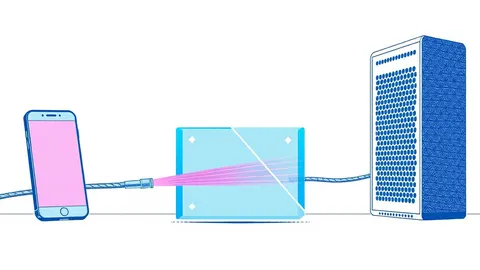
You assume your connection is private, but the attacker sits invisibly between your device and the server, rewriting packets in real time without either side knowing.

Remote access tools hide in plain sight by using legitimate administrative channels, making traditional signature-based detection largely ineffective against sophisticated intrusions.

Breach and attack simulation turns static firewall rules into active challenges, proving whether your defenses stop realistic intrusion techniques before a real adversary arrives.

Identify hidden surveillance by mapping specific telemetry anomalies to underlying mechanisms, revealing evidence that standard antivirus solutions routinely miss.

Transform raw threat data into actionable security controls without hiring a dedicated analyst or buying expensive enterprise platforms.