
Data Breaches
Log Retention for Small Teams: Keep Evidence Without Breaking Budget
Proper log retention creates a searchable history of system changes that helps you reconstruct events after an incident, even when no one is watching.
Data Breaches coverage from Firewall Chronicle holds 17 articles, 15 of them reference guides. The newest was published on October 14, 2026. New stories are added as soon as they are confirmed, from more than 150 sources checked as often as every 45 seconds. Each story lists its sources. Primary sources we follow for this section include IdentityTheft.gov (FTC) and FTC: Data Breach Response, A Guide for Business.
Proper log retention creates a searchable history of system changes that helps you reconstruct events after an incident, even when no one is watching.

An incident communication plan dictates who speaks, when they speak, and what they omit, turning technical chaos into controlled narrative management.
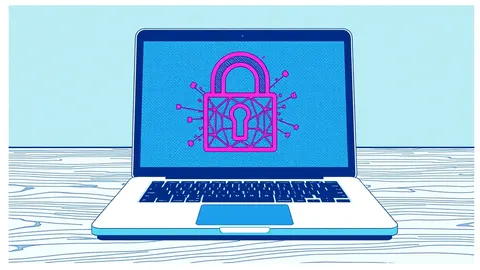
Encryption at rest transforms readable files into unreadable blocks, ensuring that stolen hardware or leaked backups remain useless to attackers without the cryptographic keys.

Encryption in transit protects data only while it moves between systems, leaving it vulnerable the moment it stops at a server or database.

Check Point analysis of leaked Luna Moth files reveals how attackers use scripted calls and split roles to compromise enterprise networks.

Salting prevents attackers from using precomputed rainbow tables to reverse hashed passwords, adding a unique random value to each input before processing.
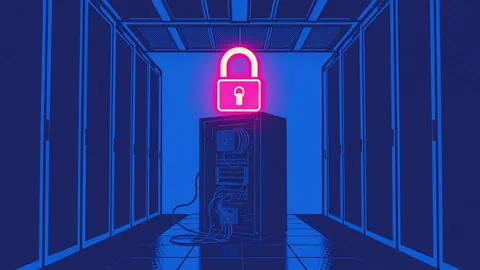
A former infrastructure engineer was sentenced to prison for deleting admin accounts and demanding 20 bitcoin to restore access to an industrial firm's servers.

Most access failures stem from permission drift, where roles accumulate privileges that are no longer needed for the assigned job function.

Card theft rarely involves physical skimming anymore; most losses stem from data aggregation within insecure application layers and third-party vendor networks.

File integrity monitoring detects unauthorized changes by comparing cryptographic hashes, revealing modifications that traditional antivirus software often misses entirely.

Email encryption protects the message content in transit and at rest, but it leaves the metadata visible to network observers and service providers.

The 3-2-1 rule prevents data loss by enforcing geographic and media diversity, but it fails completely if the verification step is skipped during the restoration process.

Paper records often bypass digital security controls, creating a blind spot that attackers exploit through social engineering and physical access.

Identity theft rarely begins with a stolen password; it usually starts with fragmented data aggregation that bypasses traditional perimeter defenses entirely.

Proper breach notification requires forensic clarity and legal precision, tasks that often exceed the capacity of small technical teams without external support.

Small organizations face disproportionate risk from third-party connections because attackers bypass their defenses by targeting weaker suppliers.

Most insider data leaks are not malicious acts but structural failures in access control and monitoring that standard policies ignore.