Cloud Security coverage from Firewall Chronicle holds 17 articles, 16 of them reference guides. The newest was published on October 20, 2026. New stories are added as soon as they are confirmed, from more than 150 sources checked as often as every 45 seconds. Each story lists its sources. Primary sources we follow for this section include Kubernetes: Security Concepts and NIST Cybersecurity Framework.
Microsoft outlines a shared foundation for sovereign AI, enabling organizations to place workloads in compliant environments while maintaining consistent security controls.
Zero trust architecture reduces the attack surface by treating every connection as untrusted, allowing small teams to secure cloud workloads without expensive perimeter hardware.
Immutable infrastructure forces every change through a rebuild process, eliminating configuration drift and making every server state auditable by design.
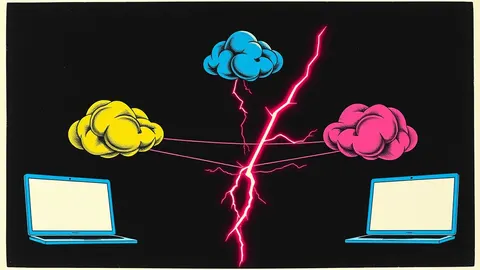
Multi-cloud security fails when teams treat each provider as a separate island, creating blind spots that attackers exploit through inconsistent access controls.
Default deny rules and stateful tracking prevent most unauthorized access while allowing legitimate application traffic to flow without manual session management overhead.
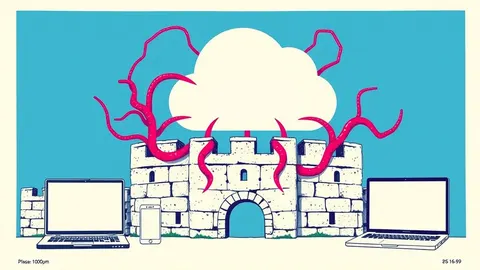
Static perimeter defenses fail against cloud-native architectures because the attack surface shifts with every container deployment and microservice interaction.
You inherit every vulnerability in the libraries you import, turning your code into a collection of third-party liabilities you cannot directly control.
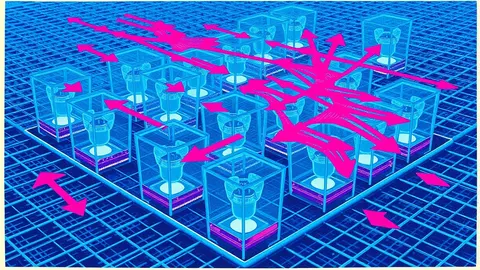
Proper segmentation forces attackers to breach multiple independent control planes, turning a single compromise into a contained incident rather than a total collapse.
Network policies act as stateful firewalls for pods, meaning that blocking inbound traffic automatically blocks the return data for any established connection.
Default Kubernetes clusters grant broad access to every service account, making Role-Based Access Control the only reliable method to limit damage from compromised workloads.
Default Kubernetes clusters allow unrestricted lateral movement between pods, leaving your entire internal network exposed to compromise unless you explicitly define isolation rules.
Default cloud configurations often leave storage containers publicly accessible, allowing anyone on the internet to read or overwrite your data without authentication.