
Threat Intelligence
Open-Source Intelligence Benefits and Trade-Offs
Public data exposes defender infrastructure faster than internal monitoring while simultaneously drowning analysis teams in untrusted noise.
Threat Intelligence coverage from Firewall Chronicle holds 22 articles, 21 of them reference guides. The newest was published on October 19, 2026. New stories are added as soon as they are confirmed, from more than 150 sources checked as often as every 45 seconds. Each story lists its sources. Primary sources we follow for this section include FIRST: Forum of Incident Response and Security Teams and MITRE ATT&CK.
Public data exposes defender infrastructure faster than internal monitoring while simultaneously drowning analysis teams in untrusted noise.

Dark web monitoring services scan hidden networks for leaked credentials and proprietary code, but they cannot prevent the initial compromise that generates the data in the first place.
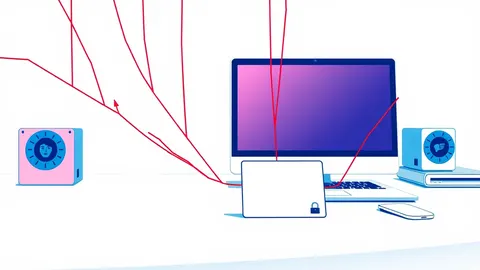
Federal authorities announced actions against North Korean schemes that used stolen identities to infiltrate over 70 US companies, highlighting identity theft risks.
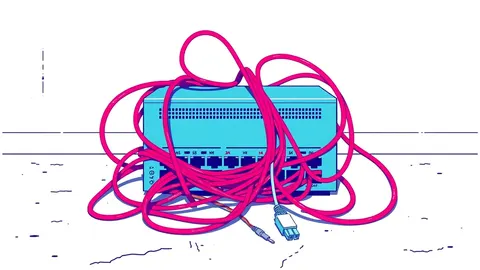
Port scans often trigger automated defenses that alert attackers to your detection capabilities, forcing you to change your response strategy before containment.

Security operations centers detect threats while network operations centers maintain uptime, creating distinct priorities that often conflict during active incidents.

STIX structures threat data while TAXII transports it, allowing security teams to share actionable intelligence without manual file exchanges or custom integrations.

Most organizations treat SIEM as a detection engine, but it functions primarily as a correlation and retention layer for noisy telemetry.

Most teams waste storage on raw data while missing the correlation context that actually reveals an active intrusion attempt.

Bot networks succeed by mimicking human social proof patterns rather than through technical sophistication, requiring behavioral analysis over simple signature detection.

Sysmon Event ID 11 reveals which process accessed another process memory, exposing injection attempts that network sensors miss entirely.
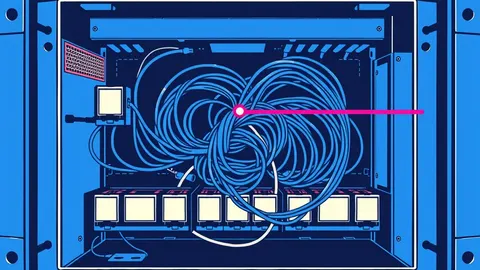
Most enumeration defenses fail because they rely on hiding services, which attackers bypass by observing protocol behavior rather than port states.

Golden ticket attacks exploit the trust model of directory services, allowing attackers to generate valid credentials that standard log monitoring often misses entirely.
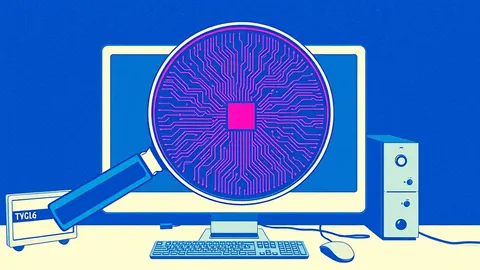
Default Windows logging misses stealthy fileless attacks and credential dumping, requiring custom channel configuration to catch modern threats.

AS-REP roasting targets accounts with Kerberos pre-authentication disabled, not weak passwords, and yields offline hashes that never touch the domain controller.

Information Sharing and Analysis Centers transform isolated security alerts into collective defense by standardizing how sectors exchange raw threat data without legal exposure.

Most lateral movement hides in plain sight within legitimate administrative tools, making behavioral context more valuable than simple alert volume for security teams.

Most security metrics measure activity rather than risk, creating a false sense of control that distracts from actual vulnerabilities in your infrastructure.

Blue teams do not stop attacks at the perimeter; they manage the inevitable breach by slowing down lateral movement and forcing attackers to reveal their presence.

Reconnaissance often succeeds not through clever hacking tools, but by aggregating fragmented data that your own systems expose to the public internet.

Poor log hygiene creates false confidence, allowing attackers to operate unseen while your alerting system generates noise that teams ignore.

Breach and attack simulation turns static firewall rules into active challenges, proving whether your defenses stop realistic intrusion techniques before a real adversary arrives.

Transform raw threat data into actionable security controls without hiring a dedicated analyst or buying expensive enterprise platforms.