Remote access trojans exploit trusted administrative tools to bypass standard security controls, requiring specific configuration hardening rather than simple antivirus reliance.
Most organizations deploy web filtering as a static block list, ignoring the silent data exfiltration that occurs through allowed dynamic content and encrypted tunnels.
Port scans often trigger automated defenses that alert attackers to your detection capabilities, forcing you to change your response strategy before containment.
Misconfigured application delivery controllers often expose internal services directly to the internet, bypassing firewall rules that assume traffic is already authenticated.
These terms describe the same attack mechanism where an attacker corrupts local address tables to intercept or block network traffic without leaving the subnet.
Reconnaissance often succeeds not through clever hacking tools, but by aggregating fragmented data that your own systems expose to the public internet.
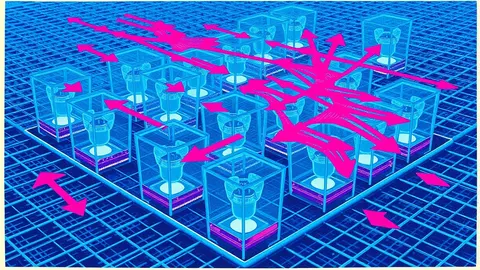
Default Kubernetes clusters allow unrestricted lateral movement between pods, leaving your entire internal network exposed to compromise unless you explicitly define isolation rules.
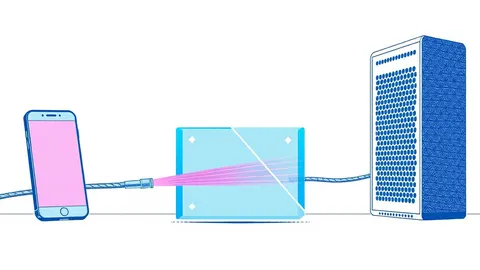
You assume your connection is private, but the attacker sits invisibly between your device and the server, rewriting packets in real time without either side knowing.