Formjacking Prevention Checklist for Secure Web Applications
Formjacking bypasses server-side security by intercepting data in the browser, making client-side integrity checks the only effective defense against this stealthy attack.
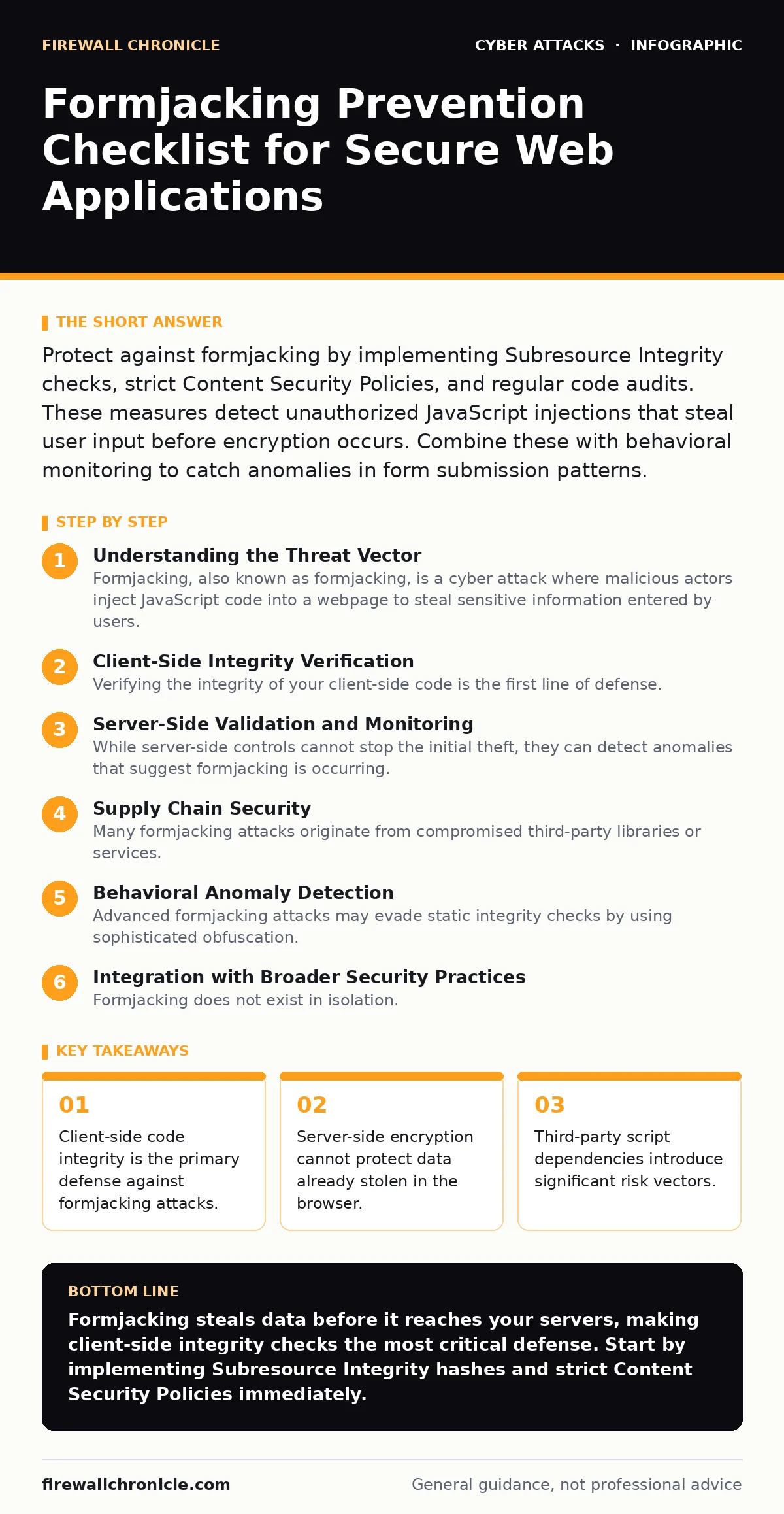
Protect against formjacking by implementing Subresource Integrity checks, strict Content Security Policies, and regular code audits. These measures detect unauthorized JavaScript injections that steal user input before encryption occurs. Combine these with behavioral monitoring to catch anomalies in form submission patterns.
Understanding the Threat Vector
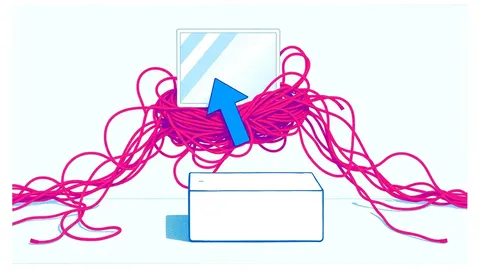
Formjacking, also known as formjacking, is a cyber attack where malicious actors inject JavaScript code into a webpage to steal sensitive information entered by users. This data typically includes credit card numbers, usernames, and passwords. The attack occurs in the browser, meaning the data is compromised before it reaches your secure servers. Traditional perimeter defenses like firewalls and intrusion detection systems often miss this activity because the traffic appears legitimate.
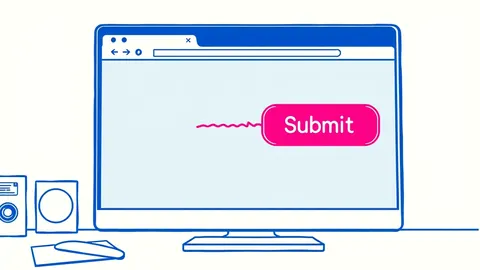
The malware usually enters through compromised third-party scripts or supply chain vulnerabilities. Imagine a legitimate analytics script that gets hijacked. When a user visits your site, their browser executes the malicious code. The code captures keystrokes or form field values and sends them to an attacker-controlled server. This happens in milliseconds, often before the user even clicks submit.
Client-Side Integrity Verification
Verifying the integrity of your client-side code is the first line of defense. If the code running in the browser has changed since you last approved it, the page should not load or should alert administrators. This prevents modified scripts from executing.
- Implement Subresource Integrity (SRI) hashes: SRI allows browsers to verify that resources fetched from third parties have not been tampered with.
- Enable strict Content Security Policy (CSP) headers: CSP restricts the sources from which scripts can load, reducing the attack surface for injection.
- Monitor for unexpected DOM modifications: Detecting sudden changes to form elements can indicate active manipulation by malicious scripts.
Server-Side Validation and Monitoring
While server-side controls cannot stop the initial theft, they can detect anomalies that suggest formjacking is occurring. Attackers often modify the structure or timing of requests to exfiltrate data. Your backend systems should treat every request as potentially compromised.
- Validate input formats strictly on the server: Never trust data received from the client, as formjackers can alter field values before submission.
- Implement rate limiting on form submissions: This slows down automated data exfiltration attempts and reduces the volume of stolen data.
- Log and audit all form submission metadata: Track IP addresses, user agents, and timestamps to identify patterns consistent with automated scraping.
Server-side validation ensures that even if data is stolen, the attacker cannot easily manipulate it to bypass business logic. However, this does not protect the user's privacy. The data is still exposed. You must combine these checks with client-side integrity measures for effective protection.
Supply Chain Security
Many formjacking attacks originate from compromised third-party libraries or services. These include analytics tools, chat widgets, and payment gateways. If a vendor you trust is breached, your site becomes vulnerable. You must treat third-party code with the same scrutiny as your own.
- Audit all third-party script dependencies: Regularly review which external scripts are loaded and why they are necessary.
- Use script loaders with error handling: If a third-party script fails or behaves unexpectedly, it should not block the rest of your application.
- Isolate third-party code using frames or Web Workers: This limits the scope of what malicious code can access within your main application context.
Behavioral Anomaly Detection
Advanced formjacking attacks may evade static integrity checks by using sophisticated obfuscation. Behavioral monitoring looks for how users interact with forms rather than just what code runs. This approach can catch zero-day attacks that have not yet been identified.
- Monitor for unusual keystroke patterns: Real users type with variable speeds and corrections. Bots or injected scripts often exhibit uniform timing.
- Track mouse movement and focus events: Legitimate users move their cursors and click fields in a logical sequence. Automated tools often skip these interactions.
- Analyze form completion times: Extremely fast or extremely slow completion times can indicate automated manipulation or manual review by an attacker.
Behavioral analysis adds a layer of defense that is difficult for attackers to mimic perfectly. It requires careful tuning to avoid false positives, which can frustrate legitimate users. Balance security with usability by setting reasonable thresholds for anomaly detection.
See also: Insecure Direct Object References: How Hidden IDs Leak Data · Output Encoding: The Hidden Trade-offs in Web Security
Integration with Broader Security Practices
Formjacking does not exist in isolation. It is often part of a larger campaign to compromise user accounts or financial data. Integrating formjacking prevention with other security measures creates a defense-in-depth strategy. This approach reduces the impact of any single failure.
- Align with account takeover prevention strategies: Stolen form data often leads to credential theft. Ensure your authentication systems are resilient.
- Complement phishing simulations: Educate users to recognize suspicious pages, as formjacking often targets pages that look legitimate but are compromised.
- Coordinate with network segmentation efforts: Limit the blast radius if a server is compromised, preventing lateral movement to other systems.
Consider how formjacking relates to watering hole attacks, where attackers compromise sites that users trust. By securing the forms on these trusted sites, you protect users from both direct injection and broader campaign risks.
Continuous Review and Testing
Security is not a one-time setup. Attackers constantly evolve their techniques to bypass existing defenses. Regular testing and review ensure that your protections remain effective. This includes both automated scans and manual audits.
- Conduct regular code reviews for new JavaScript additions: Human reviewers can spot logic flaws that automated tools miss.
- Perform penetration testing focused on client-side security: Specialized testers can simulate formjacking attacks to identify weaknesses.
- Update dependencies promptly: Keep all libraries and frameworks up to date to patch known vulnerabilities that could be exploited.
Continuous improvement is key to staying ahead of attackers. By regularly testing your defenses, you identify gaps before they are exploited. This proactive approach reduces risk and builds user trust.
Key takeaways
- Client-side code integrity is the primary defense against formjacking attacks.
- Server-side encryption cannot protect data already stolen in the browser.
- Third-party script dependencies introduce significant risk vectors.
Formjacking steals data before it reaches your servers, making client-side integrity checks the most critical defense. Start by implementing Subresource Integrity hashes and strict Content Security Policies immediately.
Frequently asked questions
Does using HTTPS prevent formjacking attacks?
No, HTTPS encrypts data in transit but does not prevent malicious JavaScript from stealing data in the browser before encryption occurs.
How do I detect if my site is currently being formjacked?
Look for unexpected network requests, unusual form submission patterns, and unauthorized changes to your JavaScript files or DOM structure.
Are third-party analytics scripts a common source of formjacking?
Yes, compromised third-party scripts are a frequent entry point. Always verify their integrity using Subresource Integrity hashes.
Can Content Security Policy completely stop formjacking?
CSP significantly reduces risk by restricting script sources, but it cannot stop all attacks. Combine it with integrity checks and behavioral monitoring.
How this guide was produced: written by the Firewall Chronicle editorial team with AI assistance, checked against the public references listed below, and reviewed when the facts change. See our editorial policy or report an error.